Menu
Others
Issue 517 – Mild Cold or Serious Threat? Understanding RSV to Protect Your Family’s Health
The recent diagnosis of Cantopop star Jacky Cheung with Respiratory Syncytial Virus (RSV) during his concert tour in Taiwan has brought public attention to this previously lesser-known virus, turning it into a widely recognized health concern.
RSV Circulates Year-Round – High-Risk Groups, Be Alert
RSV is a virus transmitted through droplets or direct contact, and it circulates throughout the year in Taiwan. Due to its ease of transmission via close-range respiratory droplets, RSV can easily lead to outbreaks, especially in group settings. The illness typically begins with fever, nasal congestion, and cough, and in more severe cases, it may progress to acute lower respiratory tract infections. In infants and young children, RSV may cause wheezing, bronchiolitis, or asthma exacerbations.
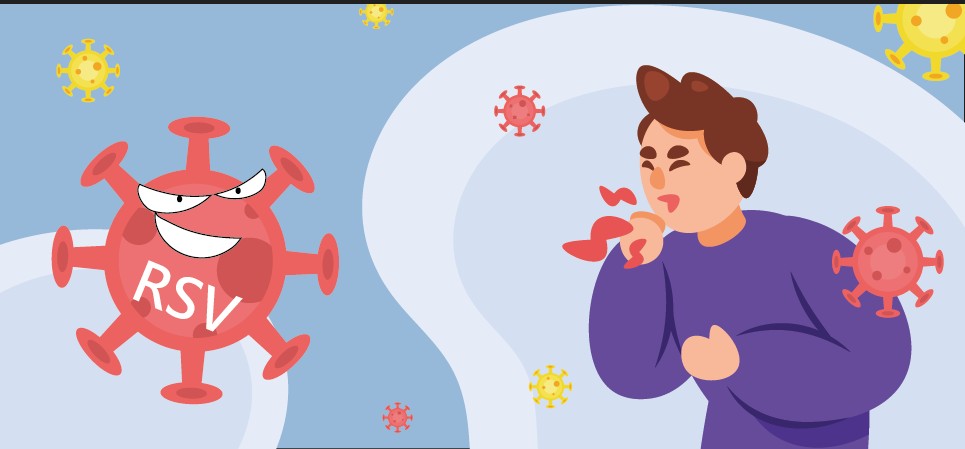
The following groups are at high risk for developing severe RSV-related illness:
- Premature infants
- Children under two with congenital heart disease or chronic lung disease
- Adults over 65 years old
- Immunocompromised individuals (e.g., organ transplant recipients, chemotherapy patients, people with HIV)
- Individuals with cardiopulmonary diseases
According to statistics, the RSV infection rate among those aged 65 and above is approximately 3–7% annually, meaning around 310,000 elderly individuals in Taiwan are at risk each year. Notably, RSV-related pneumonia in the elderly tends to have poorer outcomes than in children and should not be underestimated.
Prevention is Better Than Cure: Handwashing, Mask-Wearing, and Vaccination
The primary methods to prevent RSV infection include:
- Frequent handwashing
- Wearing masks in crowded or poorly ventilated public areas
- Proper disposal of secretions from infected children
- Maintaining good personal hygiene habits
In addition, Taiwan now offers RSV vaccines, currently approved for:
- Adults aged 60 and older
- Pregnant women
Individuals can assess their personal risk and consider vaccination as a proactive measure, emphasizing the principle that prevention is better than treatment.
Vaccination remains one of the most effective tools to protect against infectious diseases. It not only reduces the risk of infection, but also lowers the chances of severe illness and hospitalization, thereby easing the healthcare burden and improving quality of life.
To ensure vaccine safety and quality, Taiwan follows the same regulatory standards as the World Health Organization (WHO). Before being made available, all vaccines must be registered and approved by the Taiwan Food and Drug Administration (TFDA) under the Ministry of Health and Welfare. Furthermore, Taiwan enforces a batch-by-batch release policy, meaning that each batch of vaccine undergoes rigorous testing by the TFDA’s national laboratories before being distributed for public use—providing peace of mind for recipients.
Source: Taiwan Food and Drug Administration
Phone: 03-4227151#57270、03-2804814
Fax: 03-4272405
Email: ncu7270@ncu.edu.tw
Address: No. 300, Zhongda Rd., Zhongli District, Taoyuan City 320317, Taiwan (R.O.C.)
Views: 0
Copyright © Health Care Division, National Central University
National Central University - Health Center