
Menu
Others
Leftovers May Hide a Risk: Watch Out for Bacillus cereus
In our busy daily lives, many people save leftover fried rice, noodles, lunch boxes, or side dishes in the refrigerator and reheat them the next day. This may save money and reduce food waste, but did you know that improperly stored leftovers may pose a risk of bacterial food poisoning? One common culprit is Bacillus cereus.
Bacillus cereus is widely found in the natural environment and is commonly associated with starchy foods such as rice and noodles. When cooked food is left at room temperature for too long, or is not refrigerated within 2 hours, Bacillus cereus may multiply rapidly and produce toxins.
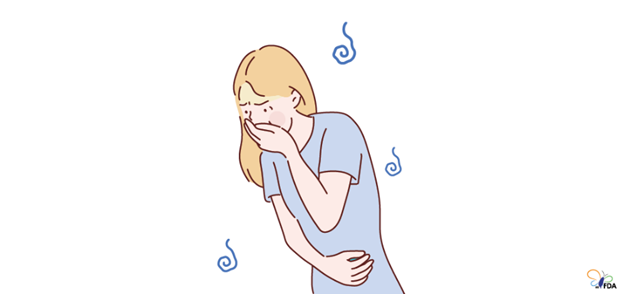
Some toxins produced by Bacillus cereus are heat-resistant, which means that reheating may not completely eliminate them. Consuming contaminated food may cause symptoms such as nausea, vomiting, abdominal pain, or diarrhea.
5 Key Principles for Preventing Bacillus cereus Food Poisoning
Some people believe that reheating food is enough to prevent food poisoning. In fact, proper food storage is just as important. Follow these five food safety principles to reduce the risk of foodborne illness.
1. Wash Your Hands
Wash your hands thoroughly with soap before and after preparing food, before handling food, and after using the restroom to prevent bacteria from contaminating food.
2. Choose Fresh Food
Choose fresh ingredients and foods that have been properly stored. Leftovers showing unusual odors, discoloration, sliminess, or other signs of spoilage should not be eaten.
3. Keep Raw and Cooked Foods Separate
Store and handle raw and cooked foods separately to prevent cross-contamination.
4. Reheat Thoroughly
Before eating leftovers, reheat them thoroughly until the internal temperature exceeds 70°C (158°F). Extra care should be taken with starchy foods such as fried rice and fried noodles.
5. Keep Food at Safe Temperatures
After cooking, avoid leaving food for extended periods in the temperature danger zone between 7°C and 60°C (45°F–140°F). Keep hot food above 60°C or refrigerate food below 7°C, and minimize storage time whenever possible.
Food Safety Starts with Proper Storage
Prepare food according to actual needs and consume cooked food as soon as possible. Avoid leaving cooked dishes at room temperature for long periods.
When eating leftovers, remember to store them properly and reheat them thoroughly. By following safe food storage and reheating practices, you can reduce the risk of Bacillus cereus food poisoning.
Source: Taiwan Food and Drug Administration (TFDA)https://www.fda.gov.tw/TC/PublishOtherEpaperContent.aspx?id=1629&tid=5696&r=155453843
Phone: 03-4227151#57270、03-2804814
Fax: 03-4272405
Email: ncu7270@ncu.edu.tw
Address: No. 300, Zhongda Rd., Zhongli District, Taoyuan City 320317, Taiwan (R.O.C.)
Views: 0
Copyright © Health Care Division, National Central University
National Central University - Health Center