
Menu
Others
Issue No. 551|Understanding Healthy Weight: Finding Your Body’s “Golden Balance Point”
The World Health Organization (WHO) recognizes obesity as a chronic, relapsing disease. Obesity is also closely associated with more than 200 health conditions. Therefore, managing obesity should not be viewed merely as a pursuit of appearance, but as an important part of maintaining overall health.
According to surveys, more than 50% of adults in Taiwan are overweight or obese, meaning that about one in every two adults faces challenges in maintaining a healthy weight.
1. What Is a Healthy Weight?
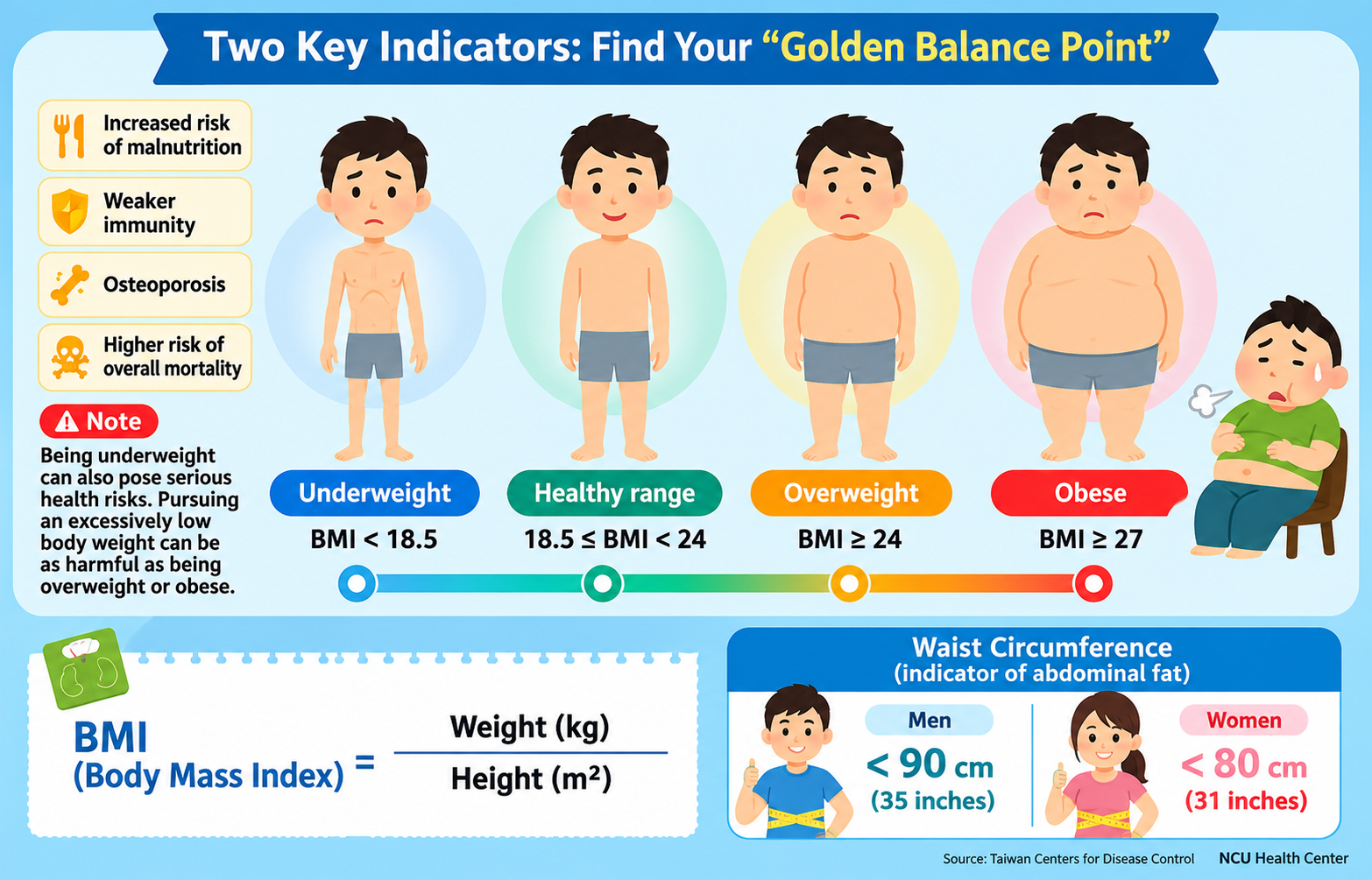
Two Key Indicators for Finding Your “Golden Balance Point”
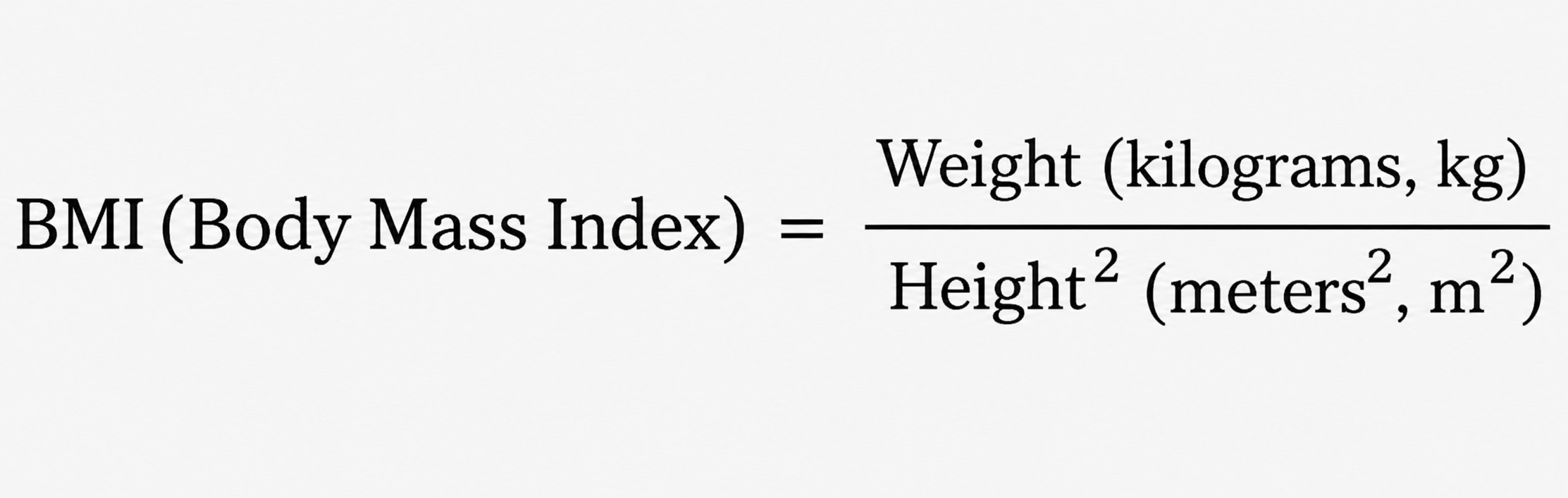
BMI (Body Mass Index)
★ Healthy range: 18.5 kg/m² ≤ BMI < 24 kg/m²
▲ Risk range:
- BMI ≥ 24: Overweight
- BMI ≥ 27: Obesity
- BMI ≤ 18.5: Underweight
Being underweight may increase the risk of malnutrition, weakened immunity, and osteoporosis. Its association with all-cause mortality should also not be overlooked. Pursuing an excessively low body weight may be just as harmful to overall health as being overweight or obese.
Waist Circumference — an indicator of abdominal fat
- Men: Less than 90 cm (35 inches)
- Women: Less than 80 cm (31 inches)
A larger waist circumference may indicate excess abdominal fat and is an important risk indicator for metabolic syndrome and cardiovascular disease.
2. Why Is Maintaining a Healthy Weight Important?
Maintaining a healthy weight can help lower the risk of many chronic diseases, reduce physical and psychological discomfort associated with unhealthy weight—particularly obesity—and support a better quality of life and emotional well-being.
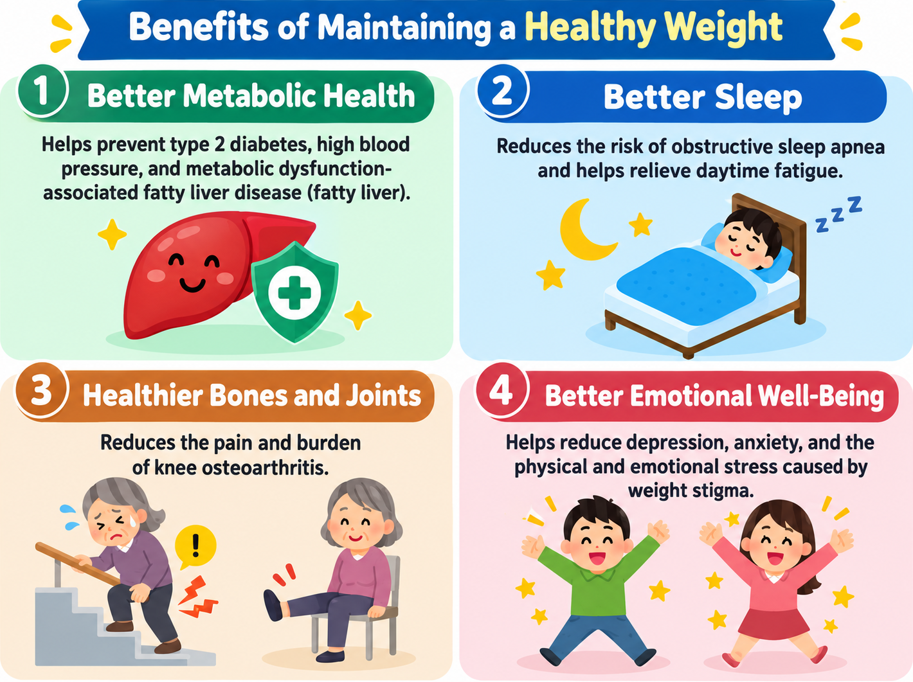
Benefits of maintaining a healthy weight include:
Better metabolic health:
Helps reduce the risk of type 2 diabetes, high blood pressure, and metabolic dysfunction-associated steatotic liver disease (MASLD), commonly known as fatty liver disease.
Better sleep:
May reduce the risk of obstructive sleep apnea and help improve daytime fatigue and sleepiness.
Less stress on bones and joints:
Helps reduce pain and strain associated with knee osteoarthritis.
Better mental well-being:
May help reduce depression, anxiety, and the psychological stress associated with weight stigma.
3. How Can I Find My “Golden Balance Point”?
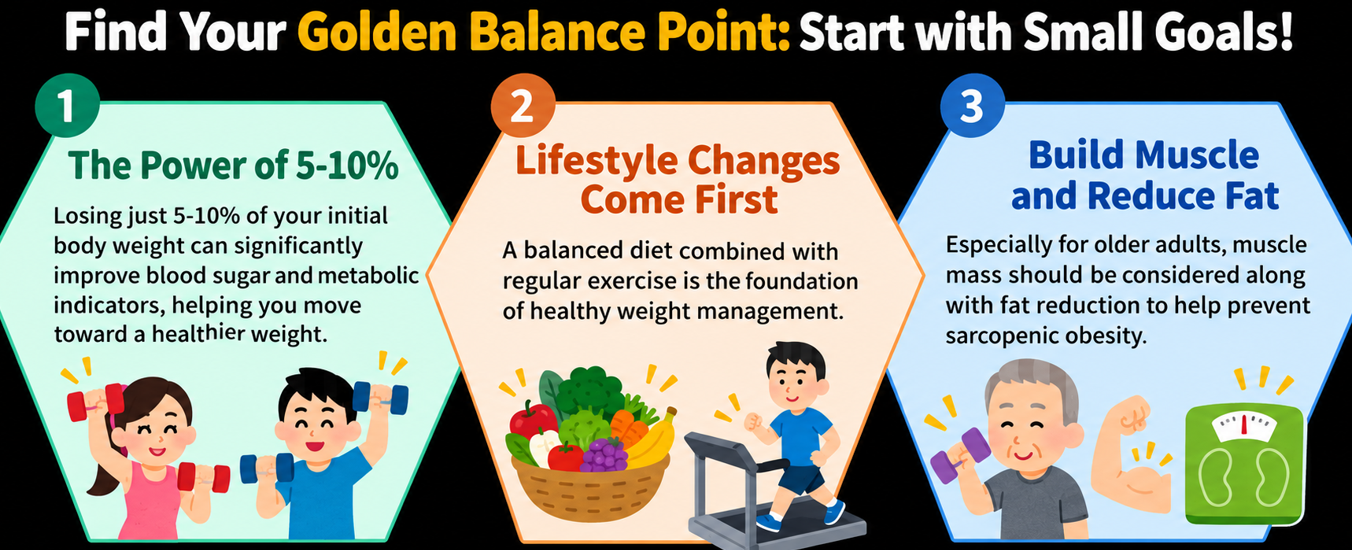
Start with small, achievable goals:
The power of 5–10%:
Losing just 5–10% of your initial body weight can significantly improve blood glucose levels and other metabolic indicators, providing meaningful health benefits even before reaching your target weight.
Lifestyle changes come first:
A balanced diet combined with regular physical activity is the foundation of healthy weight management.
Build muscle while reducing body fat:
For older adults in particular, maintaining muscle mass is just as important as reducing excess body fat in order to help prevent sarcopenic obesity.
A Friendly Reminder
Everyone’s “golden balance point” is slightly different. If you have a metabolic condition or severe obesity, please consult a physician or registered dietitian to develop a safe and personalized weight-management plan.
Source: https://health99.hpa.gov.tw/health99/Subject/Detail/41061?nodeId=8
Phone: 03-4227151#57270、03-2804814
Fax: 03-4272405
Email: ncu7270@ncu.edu.tw
Address: No. 300, Zhongda Rd., Zhongli District, Taoyuan City 320317, Taiwan (R.O.C.)
Views: 0
Copyright © Health Care Division, National Central University
National Central University - Health Center